The Ultimate Guide to Embroidery Machine Thread

Published: March 15, 2023

The Ultimate Guide to Embroidery Machine Thread: Types, Tips & Best Uses

Choosing the right embroidery machine thread can make or break your project. Whether you’re working on a custom logo for a client, a sentimental monogram, or a colorful piece of home décor, the thread you use affects everything from color vibrancy to durability and stitch performance. With so many types and brands available, it’s important to understand your options and know what works best for each project type.

In this post, we’ll explore the primary types of embroidery threads, share helpful tips for getting the best stitch results, and recommend trusted brands like Gunold, Madeira, and Sulky—the go-to names in professional embroidery.

Colorful spools of thread for embroidery machines.

Main Types of Embroidery Machine Thread:

1. Polyester Thread

Polyester is the workhorse of embroidery thread. It’s durable, strong, and built to withstand frequent laundering, exposure to sunlight, and even bleach. For projects that demand longevity—like uniforms, baby clothes, or items that will be washed often—polyester is often the best choice. It may have a slightly less intense shine than rayon, but newer trilobal polyester threads offer excellent sheen with superior resilience.

Gunold POLY™, Madeira Polyneon, and Sulky Poly Deco™ are trusted options. These brands offer rich, consistent colors and deliver high performance even at high machine speeds. Polyester threads are particularly ideal for commercial embroidery shops or home embroiderers who want both beauty and reliability.

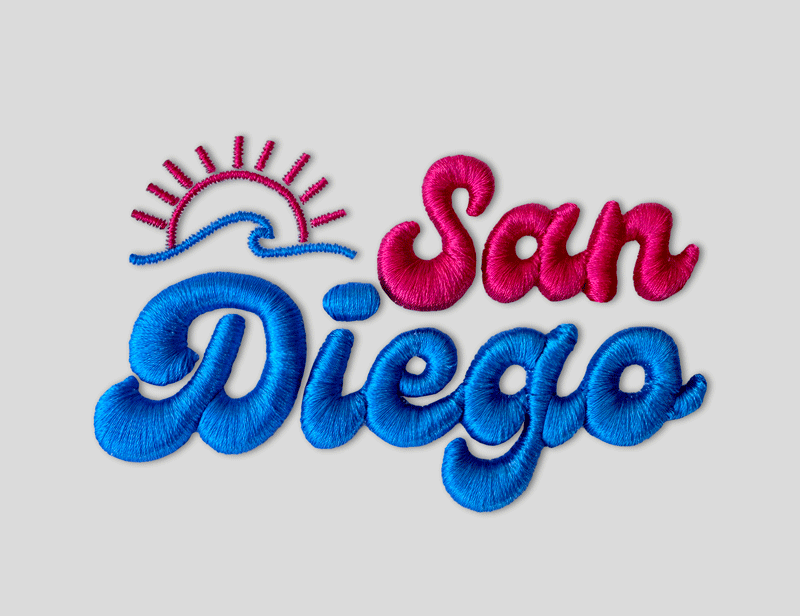
High-quality 3D puff embroidery digitizing of San Diego lettering with vibrant stitching and beach-themed elements, created by professional embroidery digitizing experts.

2. Rayon Thread

Rayon thread is prized for its silky finish and vibrant color depth. It’s the go-to for high-end, decorative embroidery where aesthetics are more important than durability. It glides smoothly through machines, producing beautiful, soft finishes ideal for monograms, heirloom linens, and any project where detail and sheen are key.

However, rayon is more delicate than polyester. It doesn’t tolerate bleach or UV rays well, so it’s best for garments and decor that won’t face harsh conditions. Look for Madeira Classic Rayon, or Sulky Rayon—these offer premium thread lines with minimal breakage and stunning luster.

Tiger face digitized for embroidery – detailed stitch design showcasing texture and depth

3. Metallic Thread

For a touch of luxury or sparkle, metallic thread is the perfect choice. These threads contain a thin metallic film that reflects light, making them ideal for holiday designs, fashion accents, and specialty embroidery. But be warned—metallics are notoriously tricky. They require slower stitching speeds, looser tension, and often a needle designed specifically for metallic thread.

If you’re looking for high-performance metallics, Gunold METY™, Madeira Metallic No. 40, and Sulky Sliver™ are standout options. They’re engineered to reduce shredding and breakage, giving you more consistent results, especially on detailed or dense designs.

Halloween cat applique done with metallic embroidery thread.

4. Specialty and Variegated Threads

Some embroidery projects call for creativity beyond solid colors. Variegated and multicolor threads change hue along the strand, creating gradient effects and unique textures. They’re great for artistic or free-motion designs where color variation adds character. Specialty threads also include glow-in-the-dark, fire-resistant, or even conductive thread used in smart textiles.

Sulky Blendables™, Madeira Frosted Matt®, and select Gunold specialty threads offer a wide array of creative possibilities. Just keep in mind that multicolor threads can produce unpredictable results, so it’s best to test before using them in production designs.

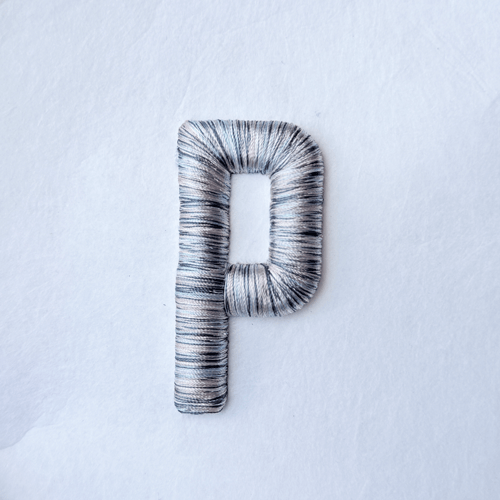
Letter'P' in 3D puff embroidery, stitched with variegated thread showcasing color transitions—example of decorative thread use in dimensional embroidery.

Understanding Thread Weight

Thread weight plays a big role in how your design looks. Most embroidery designs are digitized for 40 weight thread, which balances coverage, detail, and stitchability. For bold outlines or thick fills, 30 weight thread is a heavier option that lays down more color. On the other end, 60 weight thread is finer, making it perfect for small lettering and intricate details where precision matters.

Be sure to adjust your tension and density settings when switching thread weights. Using the wrong settings can lead to puckering, looping, or uneven coverage.

Tips for Using Machine Embroidery Thread

Getting the best results takes more than just choosing the right thread. Here are a few expert tips to help you avoid common problems and improve your stitch quality:

  • Use the Right Needle: Match your needle type and size to the thread. For metallics, a topstitch or metallic needle reduces friction and breakage.

  • Adjust Tension: Each thread type behaves differently. Always test your tension settings before starting a new project.

  • Store Threads Properly: Keep threads in a cool, dry place and out of direct sunlight to prevent fading and brittleness.

  • Stick to Quality Brands: Inferior threads can fray, break, and leave lint in your machine. Brands like Gunold, Madeira, and Sulky are trusted by professionals for their quality control and performance.

  • Color Matching: Use the manufacturer’s color chart when digitizing or replacing thread to ensure consistency across projects.


Drawer filled with colorful embroidery thread spools stored away from sunlight, illustrating an organized, enclosed storage method to preserve thread quality.


Matching Thread Type to Project:

Selecting the right thread also depends on what you’re making. For example, a logo on a sports jersey needs durable polyester that can handle sweat and washes. A personalized napkin for a wedding, on the other hand, might call for the elegance of rayon.

Project Type Recommended Thread Notes
Towels & Uniforms Polyester Durable and fade-resistant
Baby & Kids Apparel Polyester or Cotton Soft yet strong; consider skin sensitivity
Elegant Monograms Rayon High sheen for luxury designs
Quilting Cotton or Variegated Natural texture with artistic flair
Holiday Decor Metallic Adds sparkle; use sparingly and carefully
Small Lettering 60wt Polyester or Rayon Fine detail with minimal thread buildup

Final Thoughts

At PRO Digitizing®, we understand that the right thread can elevate an embroidery design from good to exceptional. Our team not only digitizes with precision but also takes into account the specific thread types that best suit each project—whether it’s for durability, aesthetics, or specialty effects. With every stitch, we’re committed to helping our clients achieve vibrant, professional, and long-lasting results.

Let PRO digitizing® be your trusted partner in transforming thread into artistry.

Find more

Got a design?

Turn in into a professional embroidery file. No auto trace. Manual presicion only.

Sign up for our PRO digitizing® newsletter!

Subcscribe to our “Sew What’s New?” newsletter to receive monthly updates of our newest free designs, embroidery tips, and exclusive coupons!

This field is for validation purposes and should be left unchanged.